Make a donation to the Museum
Resources
Access Museum resources such as interactive timelines, digital exhibitions (including a collection of downloadable posters that tell the story of 9/11), oral histories, registries, and the 9/11 primer, to learn more about the February 26, 1993 World Trade Center bombing and 9/11 and its aftermath.
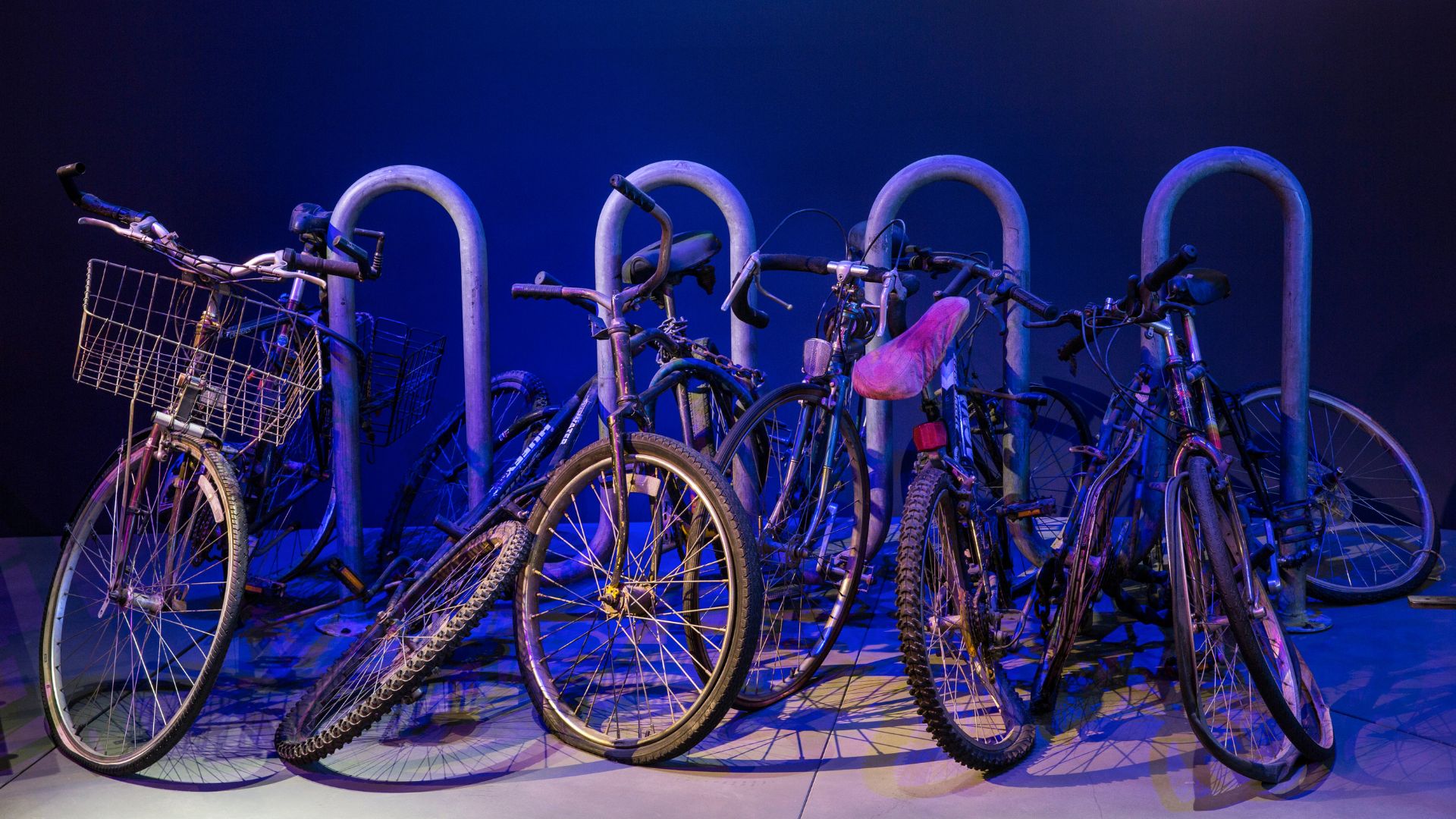
Photo by Jin S. Lee
Interactive Timelines
Collection 9/11 Museum, Roberto Rabanne Archive
Photo by Roberto Rabanne
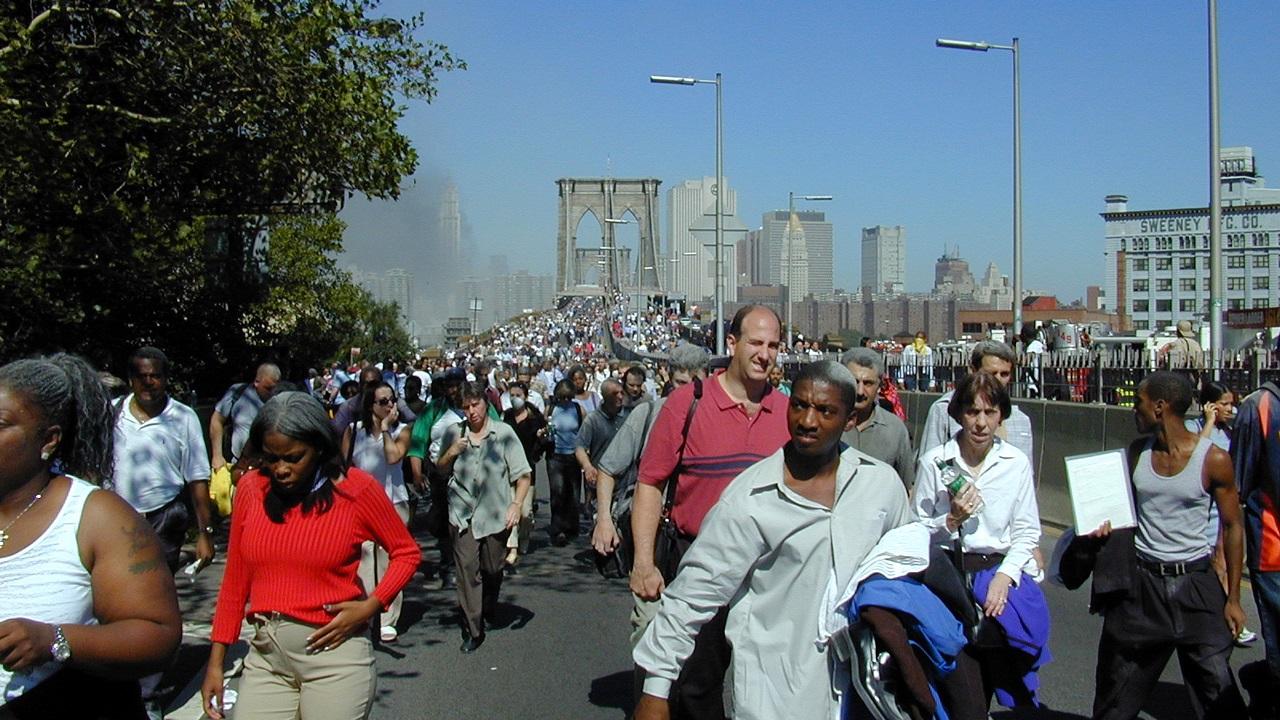
Interactive timelines chronicle the events of September 11, 2001, the nine-month recovery effort at Ground Zero, and the 1993 World Trade Center bombing. The timelines use images, audio, and video, as well as first-person accounts from the 9/11 Memorial Museum’s permanent collection.
Please note: The timelines contain some graphic images and sensitive content due to the explicit nature of events surrounding the 1993 bombing and the 9/11 attacks.
Digital Exhibitions
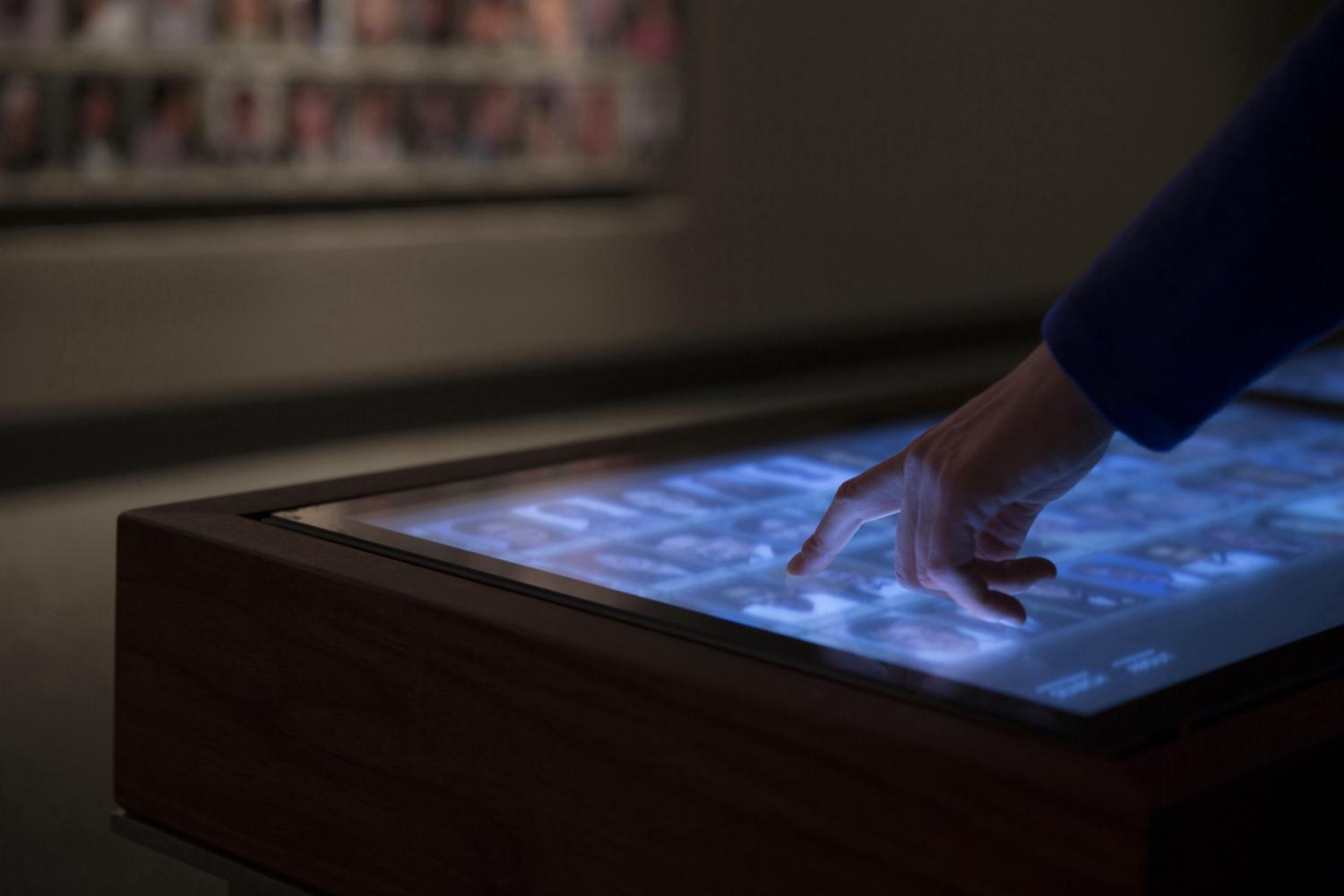
Photo by Jin S. Lee
The 9/11 Memorial Museum’s digital exhibitions offer online learners the opportunity to access the Museum’s collection of primary sources, research, and stories about the events of 9/11 and their ongoing impacts.
Oral Histories
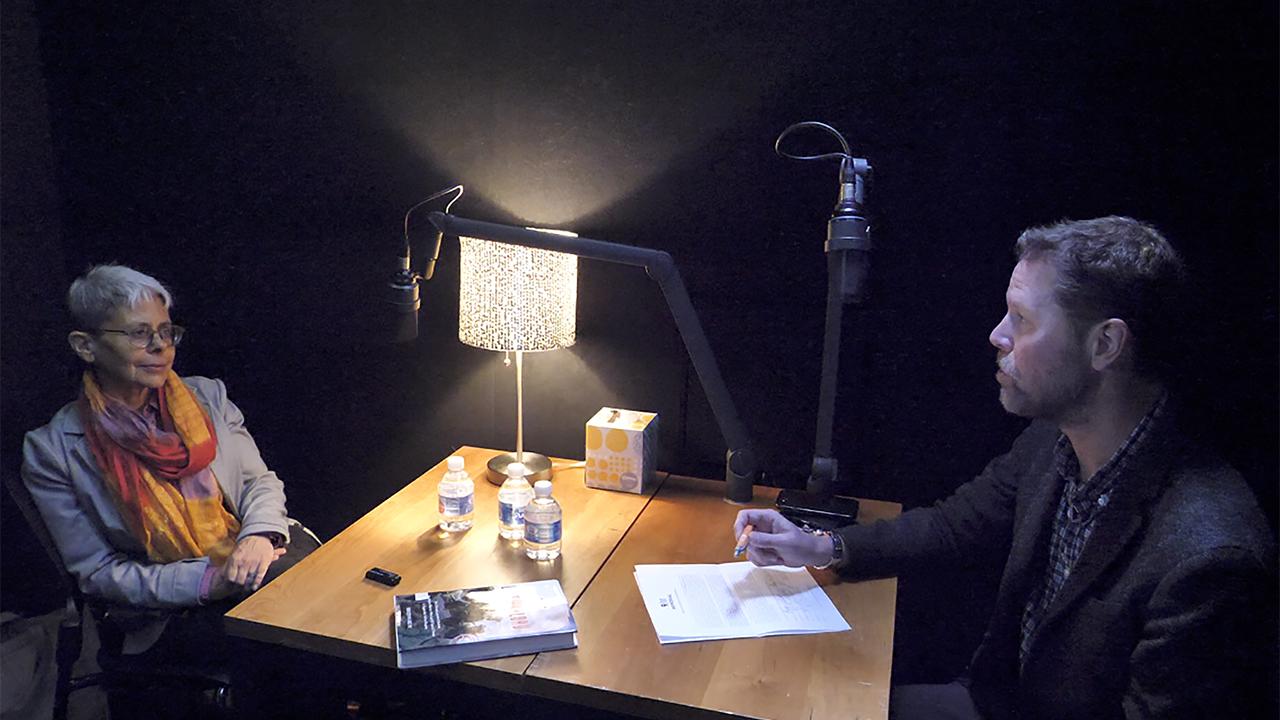
Photo by Jin S. Lee
The 9/11 Memorial Museum’s oral history collection tells the story of 9/11 through recorded interviews conducted from different perspectives, most of which cannot be fully captured through written sources.
The Anniversary Digital Learning Experience
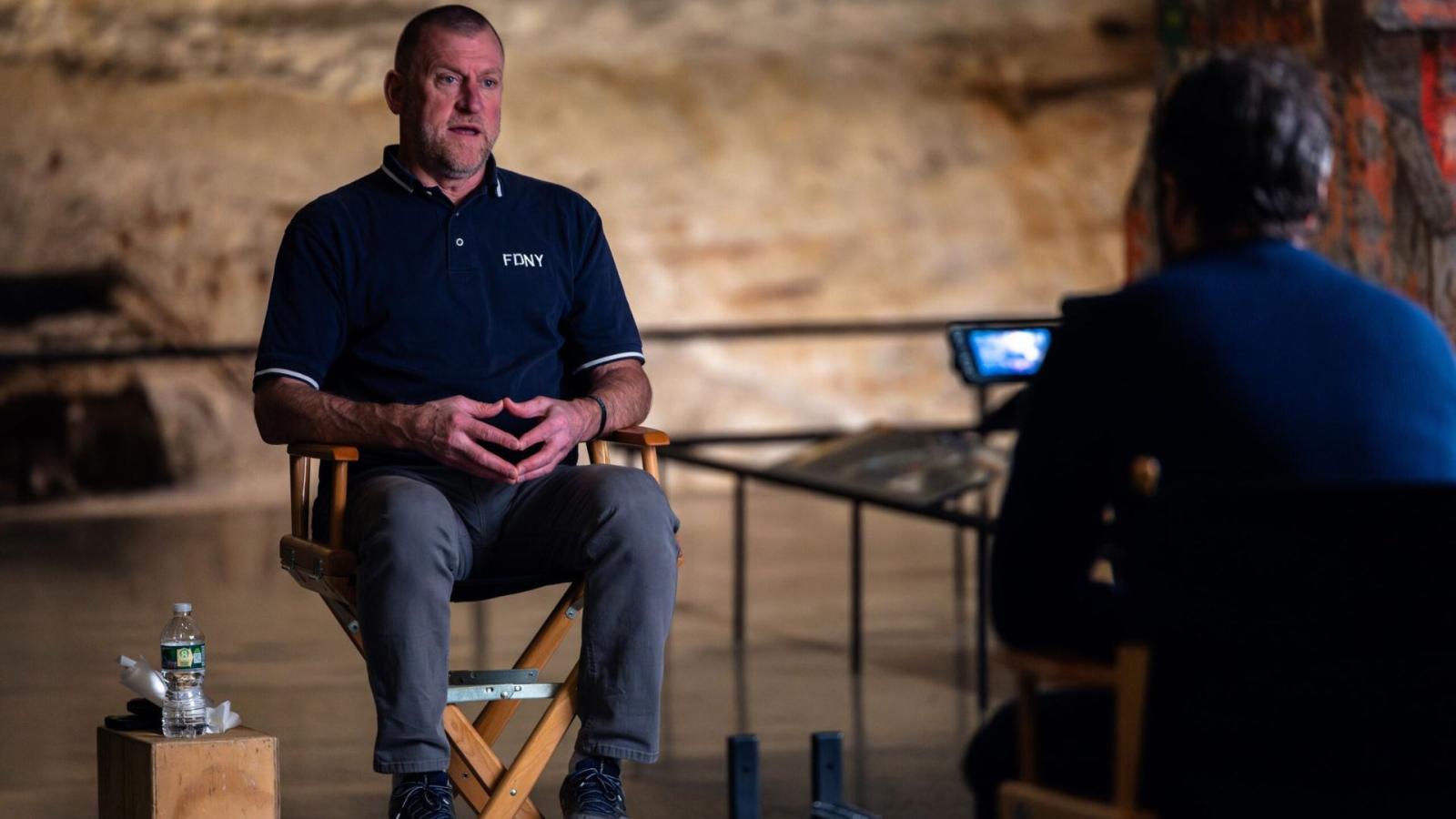
Photo: David E. Starke
Each year on 9/11, we welcome students and teachers from around the world to participate in our FREE 9/11 Anniversary Digital Learning Experience. The program includes a 30-minute film, available on-demand, highlighting first-person accounts of the attacks and their aftermath and a live chat with Museum staff throughout the day.
Dust: Illness & Advocacy After 9/11
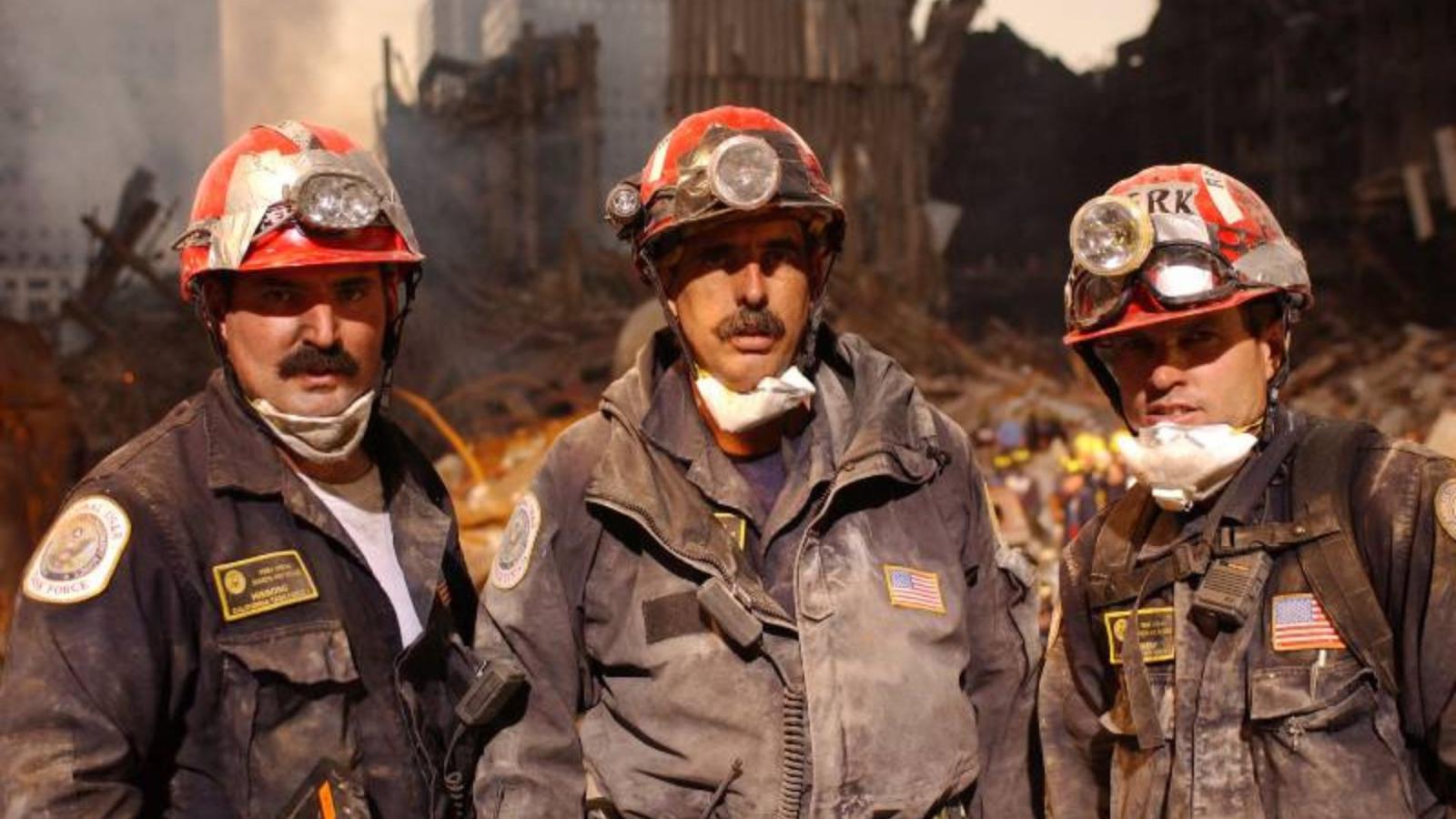
"Dust: Illness and Advocacy After 9/11" is an installation exploring the impacts of the toxic dust that blanketed city streets and coated the insides of homes, businesses, and schools in the area. Every breath that survivors, first responders, and lower Manhattan residents took put them at risk for toxic exposure, underpinning the larger public health impact of the day that changed our world forever.
9/11 Primer
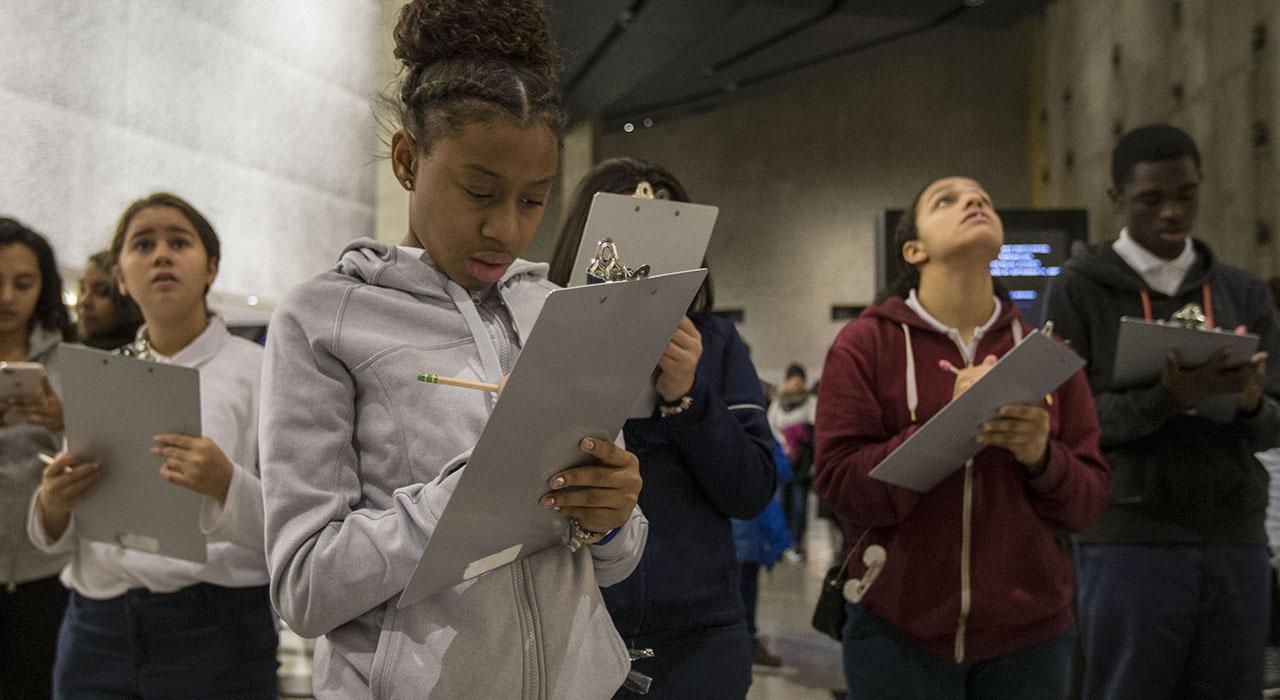
The 9/11 Primer provides educators and online learners with foundational information about the World Trade Center and the Twin Towers, the 9/11 attacks and their aftermath, and the rebuilding of the World Trade Center site.