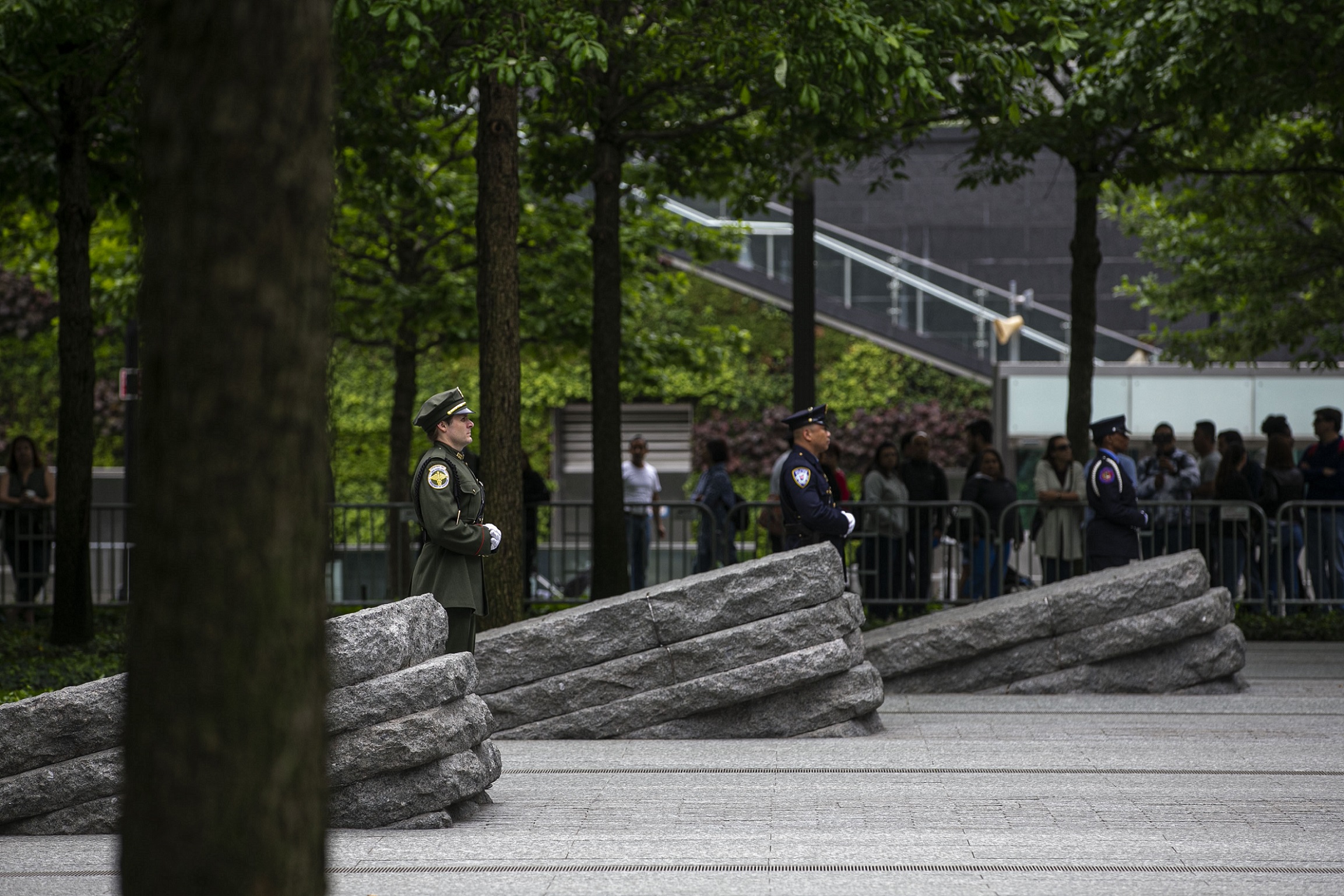
May 30, 2002 Commemoration
May 30 marks the anniversary of the formal end of recovery operations at Ground Zero. To commemorate this milestone, we honor the courage and sacrifice of 9/11 rescue, recovery, and relief workers, commemorate those who have died due to 9/11-related illnesses and injuries, and recognize the spirit of survivors and members of the downtown community with a special ceremony.
Join Us and Thank a Hero Today
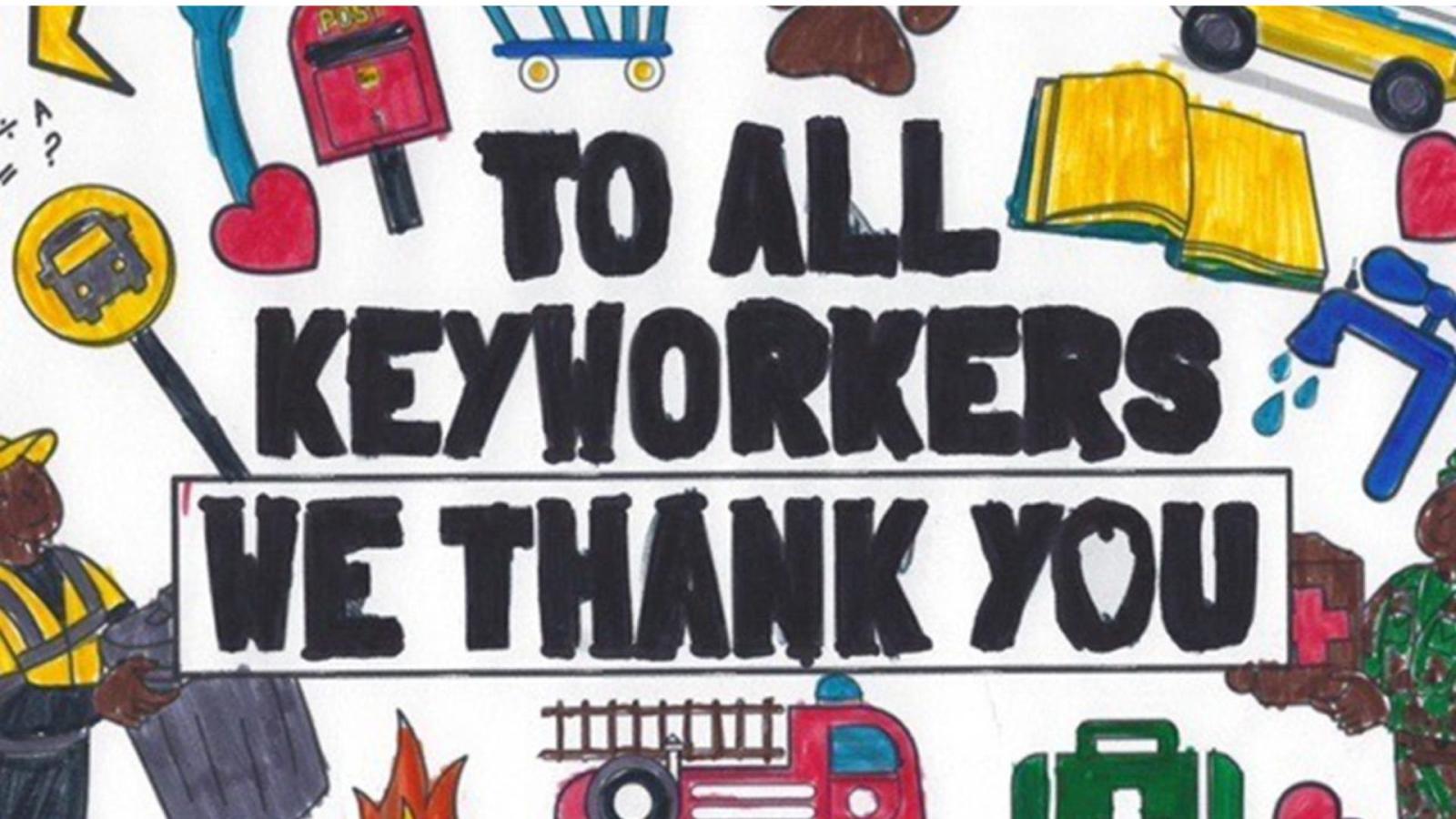
Share your own message of gratitude and appreciation for those on the frontlines, both in the aftermath of 9/11 and now, by participating in our “Dear Hero” campaign. In the days after 9/11, children from around the world wrote letters and created heartfelt drawings and other tokens of gratitude to recognize the efforts and sacrifice of first responders. Download the template, write a “Dear Hero” message, and share it on your social media to help honor our heroes today.
The Rescue and Recovery Effort
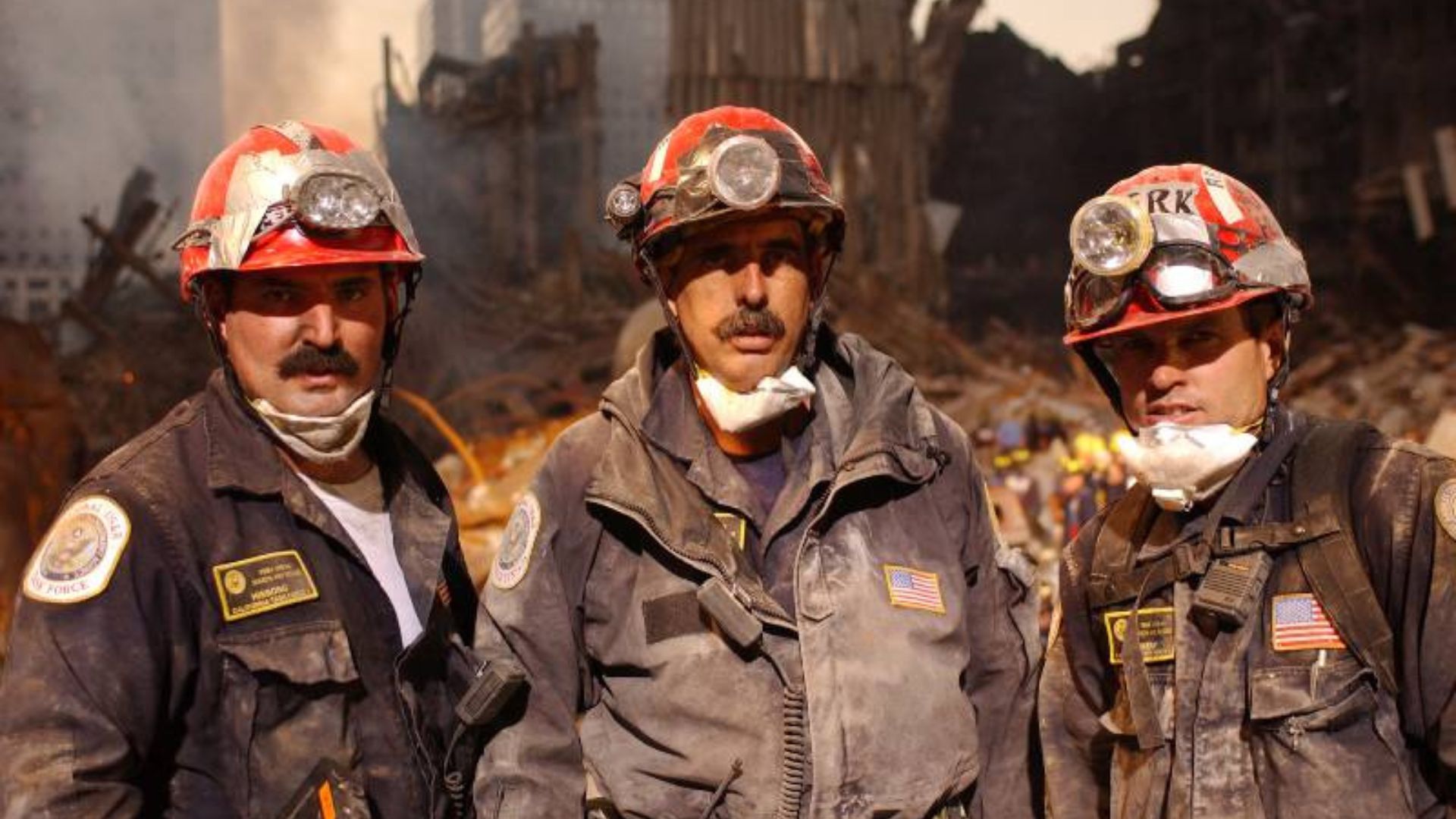
Unprecedented rescue, relief, and recovery efforts began immediately after the September 11, 2001 attacks in New York City, at the Pentagon, and the Flight 93 crash site in Somerset County, Pennsylvania. At all three attack sites, days, weeks, and months were spent extinguishing fires, clearing debris, and searching for survivors. It took nine months to remove about 1.8 million tons of material from the World Trade Center site.
In the aftermath of 9/11, donations of money and supplies poured in, and thousands of people volunteered to help. Public and private partnerships supported lower Manhattan’s recovery, growth, and revitalization, balancing the need to remember and honor victims with the goal of rebuilding a strong and vibrant community.
During the nine-month recovery and cleanup operation at the World Trade Center, many thousands of individuals transformed what some called “the pile”—a scene of mass destruction dominated by a vast mountain of tangled steel—into an excavated pit reaching 70 feet belowground.
In recent years, individuals with 9/11-related illnesses, health care advocates, and lawmakers on Capitol Hill united in that same spirit to ensure the passage of the James Zadroga 9/11 Health and Compensation Act. The law, first introduced in 2006, was named for a New York City homicide detective who died that year and had worked at Ground Zero. Finally enacted in 2011, then reauthorized in 2015, the Zadroga Act provides financial compensation to people with 9/11-related illnesses. It also established the World Trade Center Health Program, which monitors or treats roughly 140,000 people living in all 50 states. In 2019, following an intense lobbying effort by 9/11 health advocates and their supporters, the Never Forget the Heroes Act was passed by Congress and signed by President Donald Trump, extending the September 11th Victim Compensation Fund through 2092.
View an interactive timeline of the rescue and recovery operations at Ground Zero.
Illness and Advocacy After 9/11
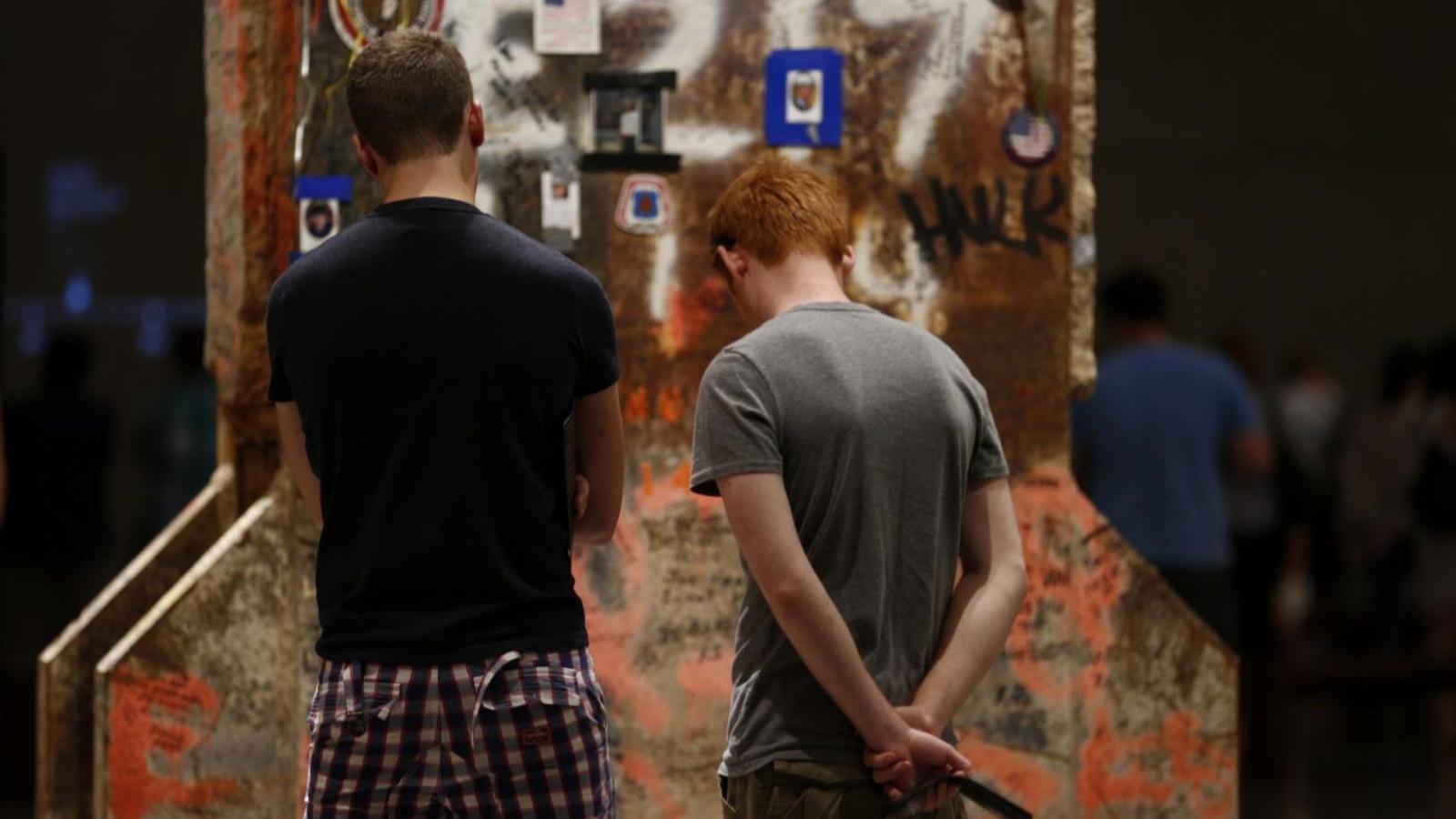
Central to the 9/11 narrative is what happened after the towers fell, the thousands of stories of response and recovery; the diversity and sheer number of people who have died from or are currently living with illness and trauma; and the incredible advocacy efforts to secure congressional funding for immediate and long-term medical monitoring, research, and treatment programs through the World Trade Center Health program.
Upcoming Public Programs
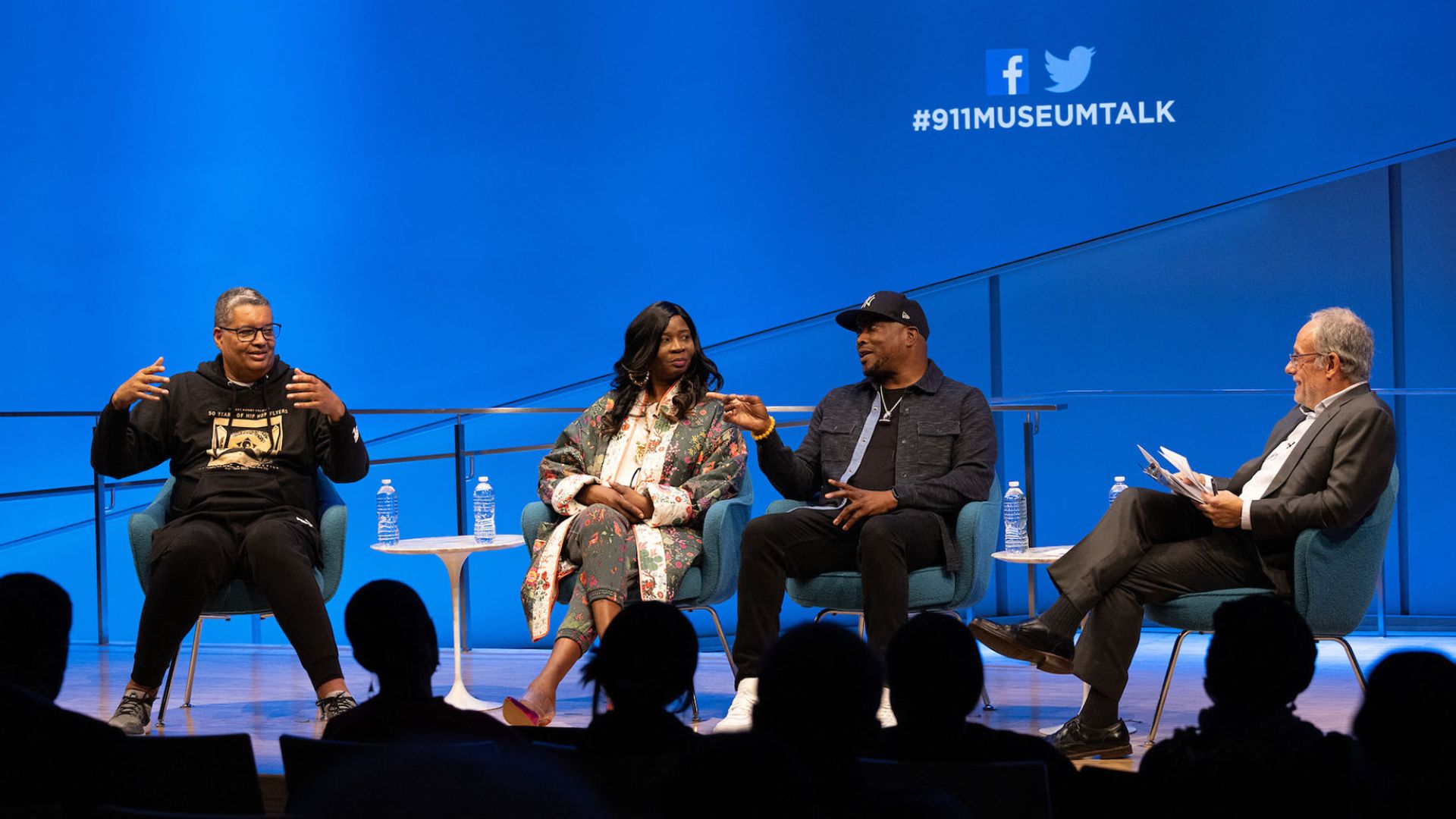
Public programs explore topics reflecting on the ongoing impacts and continued resonance of the 9/11 attacks.