Post-9/11 Recovery Efforts Impacted Volunteer’s Life

Post-9/11 Recovery Efforts Impacted Volunteer’s Life

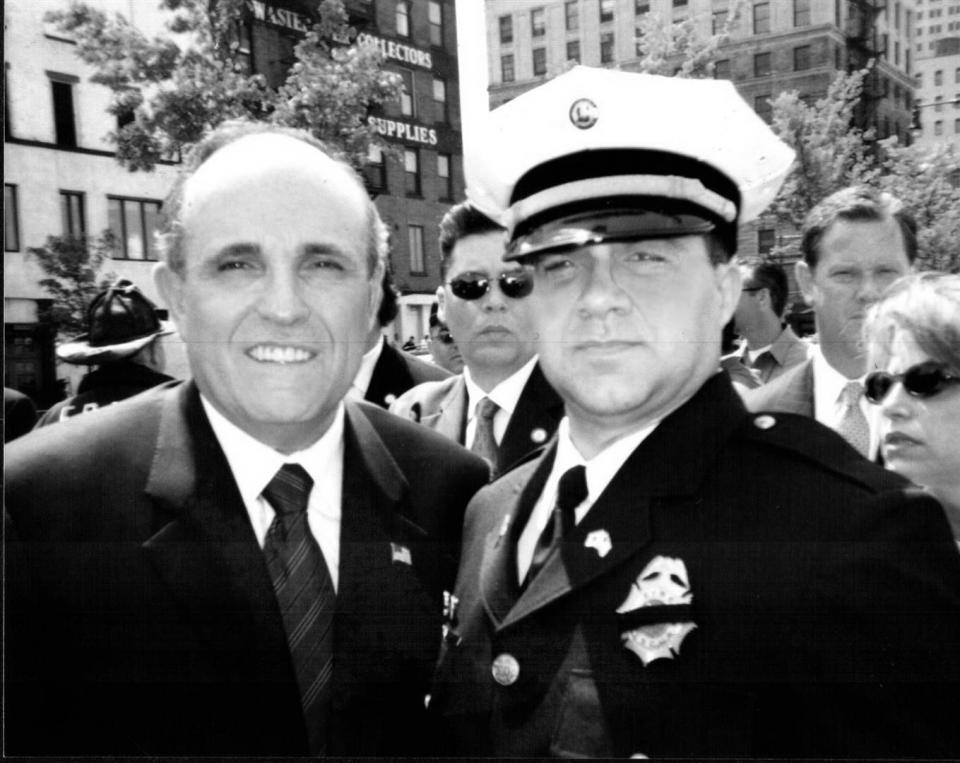
In this photo from 2002, Mayor Rudy Giuliani and Thomas Bowen walk along the West Side Highway after taking part in the Last Column escort.
Thomas Bowen joined the Last Column escort leaving the World Trade Center site on May 30, 2002 and walked with Mayor Rudolph Giuliani along the West Side Highway. (Photo courtesy of Tom Bowen)

Following 9/11, thousands of investigators, engineers, laborers and volunteers joined the rescue and recovery efforts at the attack sites. In late May 2002, the ceremonial removal of the Last Column marked the end of the rescue and recovery work at the World Trade Center site. In recognition of the anniversary of the end of recovery this month, below is a story of somebody who participated in those efforts in New York City.

Tom Bowen of Huntington, West Virginia says working at Ground Zero affected his life “in a lot of ways – everything from physical issues, to the things that go through your mind, often on a daily basis.”

Assisting at the site from September 2001 through May 2002 as a volunteer with both the New York City Office of Emergency Management and the Federal Emergency Management Agency (FEMA), Bowen became involved in search and rescue. FEMA’s Urban Search and Rescue teams from 14 states supported the work of local police and firefighters during the recovery period.

When hopes of finding survivors faded, Bowen’s focus shifted to the search for remains of victims and trying to provide closure to those grieving over their lost loved ones.

Bowen commuted to New York from West Virginia for his shifts throughout those nine months. On one trip home, a Delta flight attendant silently passed him an encouraging message written on a napkin as he was disembarking. He also fondly remembers notes of support from New York City school children that were delivered to him and fellow recovery workers. He recalls these moments of kindness and connection as restorative.

In 2014, Bowen returned to NYC to visit the 9/11 Memorial Museum, where he recorded his thoughts at the “Reflecting on 9/11” exhibition.

“I think one big way that my life’s been affected is by understanding that we’re all in this together, and to be intentional about how we love and support people around us,” he says. “You never know when you’re going to be on the other side of that fence.”

A cornerstone of the Museum’s mission is to honor the courage and sacrifice of the rescue and recovery workers who responded in the face of unspeakable tragedy. The Rescue and Recovery Workers Registry preserves the stories of recovery workers, like Bowen, and their efforts after 9/11.

By Alison Hines, Exhibition Media Coordinator
Remembering Richard Sheirer

Remembering Richard Sheirer

Helmet.jpg
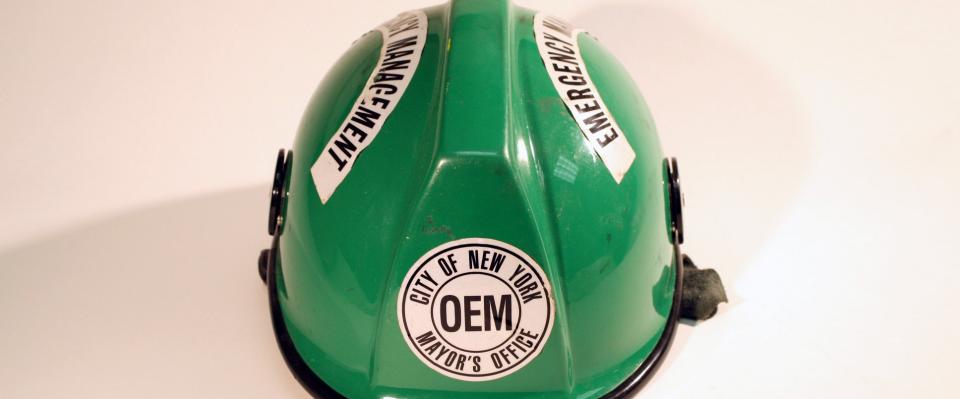
The OEM helmet Richard Sheirer wore on 9/11.

Today we mourn the passing of Richard James Sheirer. As the former director of the New York City Office of Emergency Management (OEM), Richard, who many of us knew as Richie, led the coordinated rescue and recovery efforts in the aftermath of the 9/11 attacks.

To say Richie's life was devoted to public service and helping to keep New York City safe is an understatement. He served as a deputy fire commissioner with the FDNY and deputy police commissioner with the NYPD before taking the helm of OEM. Having worked in both the FDNY and NYPD, he had a deep understanding of emergency response and a remarkable ability to work among multiple agencies for the good of the people of this city.

Richie was also a tremendous supporter of, and advocate for, the 9/11 Memorial and Museum. Having played such a central role in the City's historic response and recovery effort and having experienced the devastating personal loss of friends and colleagues in the attacks, Richie was profoundly aware of the importance of preserving the history of 9/11. Over the years, he served as a trusted advisor and provided wise counsel, often sharing his compassion and understanding to help navigate many complex and sensitive issues. One way Richie's legacy will be preserved forever is through the Memorial Museum's collections, which include the oral history that he recorded with us in June of 2010 and the OEM helmet he wore on 9/11.

The thoughts and prayers of the thousands of people who were lucky enough to know Richie--and the many more who unknowingly benefited from his life--are with Richie's wife Barbara and his five sons, Matthew, Joseph, Christopher, Andrew and Paul. Rest in peace, Richie, we will miss your friendship, character and spirit.

By Joe Daniels, President and CEO of the 9/11 Memorial

Subscribe to New York City Office of Emergency Management