The Meaning Behind Arrangement of the 9/11 Memorial Names

The Meaning Behind Arrangement of the 9/11 Memorial Names

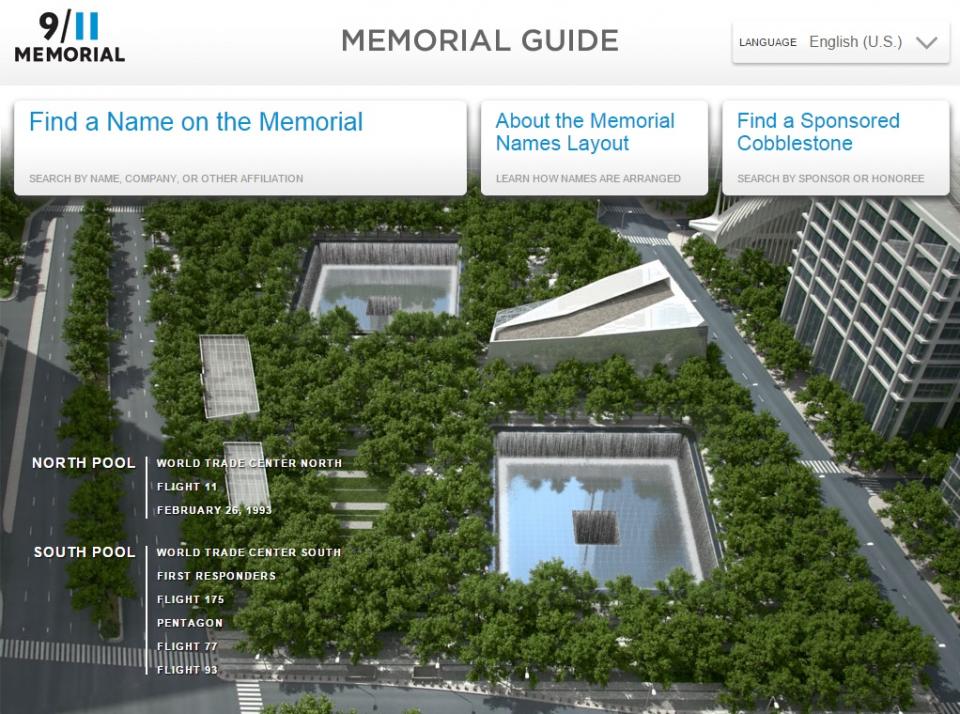
 A screenshot of the 9/11 Memorial & Museum website shows the interactive 9/11 Memorial guide and map, which allows users to search the names of victims.
The Memorial Guide enables users to find information about 9/11 victims. (Photo: Jordan Friedman)

The 9/11 Memorial arranged the names of victims in part by “meaningful adjacencies” – where they were at the time of their death and what personal relationships they shared with other victims. You can easily find the locations of victims’ names on the memorial using the Memorial Guide.

The guide, which is a website and an app that can be downloaded for free on iPhone, Android and Windows phones, ensures that the legacy of those who died will continue to live on and enables you to search for and view all of the names inscribed on the memorial. It provides photographs of victims as well as biographical information such as date of birth, hometown, employer and requested adjacencies made by family or next of kin. An individual map for each victim shows the specific location of the name on the memorial.

Using the guide, you can also find detailed information on the arrangement of the names and locate cobblestones that people or organizations sponsor as a permanent piece of the memorial plaza.

By Jordan Friedman, 9/11 Memorial Research and Digital Projects Associate

Elevator Motor Symbolizes Disaster at World Trade Center Site

Elevator Motor Symbolizes Disaster at World Trade Center Site

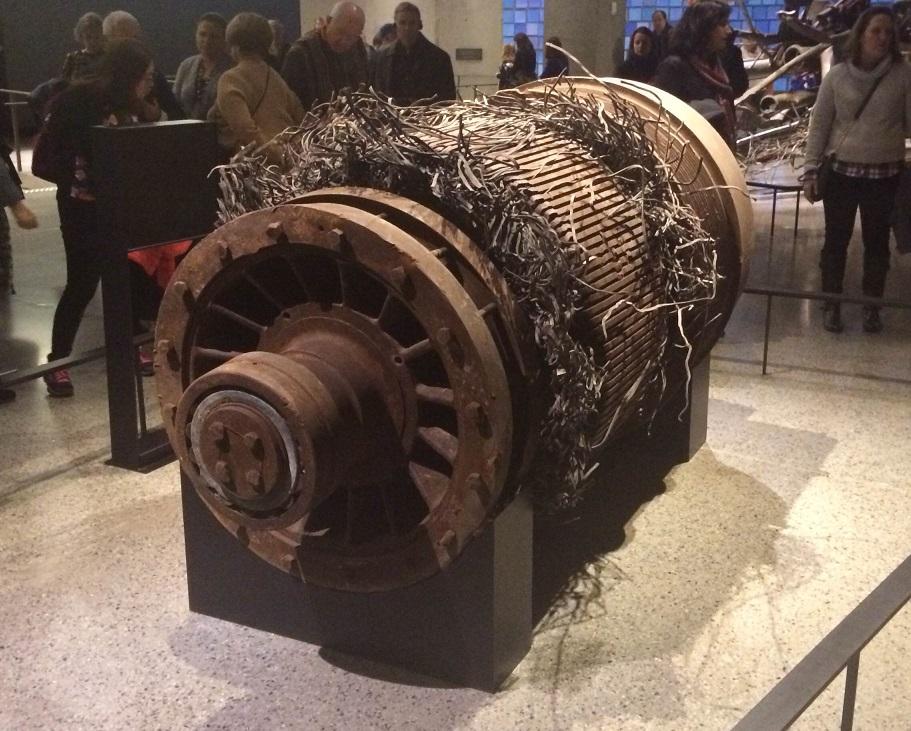
An elevator motor recovered from the wreckage of the World Trade Center is displayed at the Museum.
An elevator motor recovered from the wreckage at the World Trade Center site after 9/11. (Photo: Deena Farrell)

The Twin Towers were the first skyscrapers to have a system of local and express elevators, which reduced elevator travel time.

Each tower had 99 elevators that included freight, local, and high-speed express cars. The latter of the three traveled directly to the South Tower Observation Deck and the Windows of the World restaurant on the top floors of the North Tower. A total of 99 elevator motors, weighing about 10,000 pounds each, operated the elevator systems in each of the towers.

At 8:46 a.m., on the morning of Sept. 11, 2001, hijacked Flight 11 struck the North Tower during elevator rush hour for thousands. The attacks on 9/11 led to worst passenger elevator disaster in history, causing the deaths of an estimated 200 of the victims at the World Trade Center site.

Some occupants of the South Tower began immediate evacuation. When hijacked Flight 175 struck the building, many were inside elevator cars as they planned to evacuate. Smoke filled the elevator shafts, jet fuel pour down, and flames spread.

The loss of electricity made it impossible for personnel at the building’s fire command station to guide cars down to the lobby or communicate with individuals trapped inside the cars.

By Deena Farrell, 9/11 Memorial Communications Intern
Retired Fire Chief Donates Helmet Worn on 9/11 to Museum

Retired Fire Chief Donates Helmet Worn on 9/11 to Museum

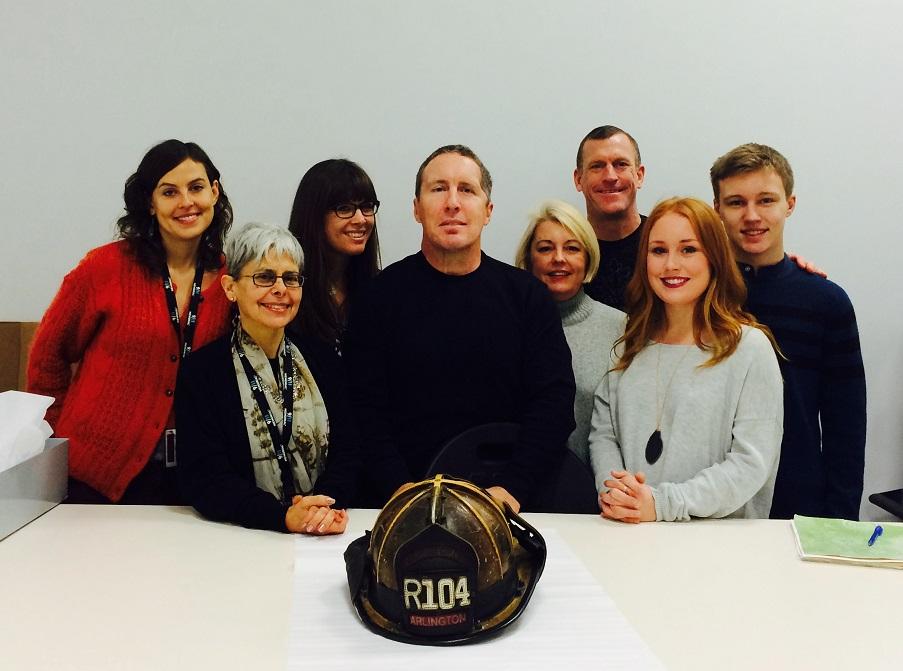
Retired Arlington County Fire Chief Robert Gray, members of his family, and curators from the Museum pose next to Gray’s fire helmet, which Gray donated to the Museum.
Left to Right: Bethany Romanoski, collections registrar; Amy Weinstein, associate director of collections and senior oral historian; Jenny Pachucki, oral historian and assistant curator; Timothy Brown, retired FDNY, DOJ; Robert Gray; Leslie Gray; Olivia Gray; and Max Gray. (Photo: Valeska Martinez)

During the week, curators and collections staff welcomed retired Arlington County Fire Chief Robert Gray and his family to the 9/11 Memorial Museum. On Sept. 11, 2001, Gray responded to the Pentagon and spent weeks fighting the fires, helping to stabilize damaged sections of the building and working on the recovery effort.

In 2009, Gray met with curators from the museum to record his oral history and eventually donated the helmet he wore during the recovery period that was issued to responders on Sept. 14. This helmet and a segment of his oral history can currently be found on view in the museum’s historical exhibition.

Now, years later and after having recently recovered from a near fatal household accident, Gray traveled with his family to the museum to show them his helmet on view. With him he brought a new gift to the museum collection, the fire helmet that he had worn his entire career and on 9/11 as he fought the fires. We are honored to receive the donation of this cherished object which will help make this heroic story complete.

By Jenny Pachucki, Oral Historian and Assistant Curator

Subscribe to